DJ Kygo and Property Markets Group are launching Palm Tree Residences Miami, a 483-unit branded condo tower in Overtown, with sales opening in June 2026, according to the South Florida Business Journal. I am watching the brand wave shift from fashion and auto names toward music and lifestyle, which changes who the buyer is. Branded residences run a 33 percent average premium worldwide per Savills, so separate the brand fee from the real estate before you commit.

For a decade Miami's branded condos meant fashion houses and carmakers stamping their names on towers. Now a Norwegian DJ is doing it. Property Markets Group and Kygo's Palm Tree Crew announced Palm Tree Residences Miami in May 2026, a 483-unit tower in Overtown set to launch sales in June, per the South Florida Business Journal. The brand is built on music festivals, nightlife, and wellness, not handbags or sports cars. That tells you where the branded-residence category is heading, and why the buyer profile is changing. I am tracking this shift closely because it changes who shows up to the sales gallery and what they will pay over a comparable unfurnished unit next door.
What Palm Tree Residences Brings to Overtown
The project lands in Overtown, a historically Black Miami neighborhood directly north of downtown that has drawn a wave of new investment as Brickell and downtown pricing pushed development inland. The 483-unit tower is the Palm Tree Crew's first move into residential, extending a brand that already runs music festivals, a record label, and hospitality ventures, according to the South Florida Business Journal and Miami New Times. The pitch is access: residents are promised entry into the brand's event ecosystem, wellness programming, and the nightlife identity Kygo built. Property Markets Group, the developer, is a known Miami quantity with a long preconstruction track record, which matters when you are buying a promise years before delivery.
Sales are slated to open in June 2026. For a music brand, the play is obvious. It already owns an audience that buys tickets, merchandise, and travel around its events, and now it is asking some of those fans to buy a home inside the world. That is a different demand engine than a fashion logo on a lobby.
The Premium You Pay for a Brand
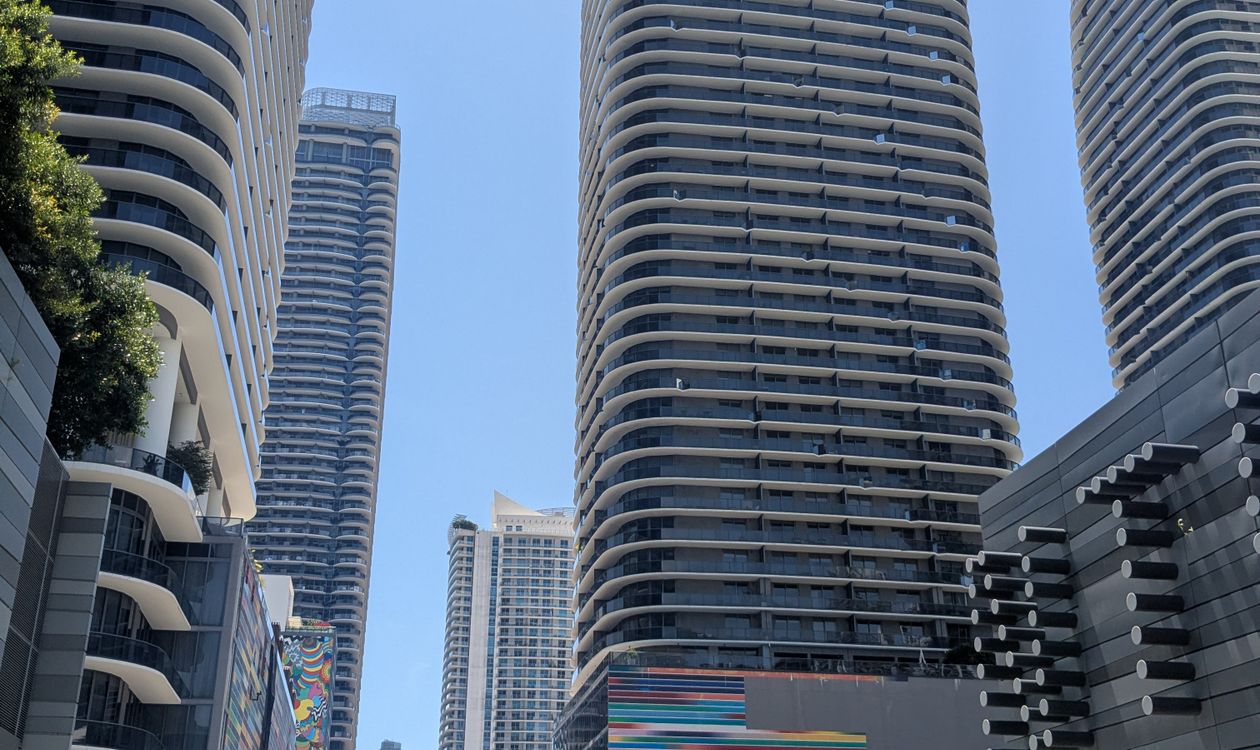
The headline number every branded-residence buyer should know: 33 percent. That is the average price premium branded residences command over comparable non-branded properties worldwide, according to the Savills Branded Residences Report 2025/26. Urban markets like Miami average a 30 percent premium, while resort destinations reach 39 percent. Savills also reports that Miami and Dubai lead the world in completed branded-residence schemes, so this is not a fringe niche here. It is a defining feature of how Miami sells luxury.
Here is how I frame the premium for buyers weighing a branded unit against a comparable unbranded one:
| Branded residence factor | What it means for buyers |
|---|---|
| 33% average global premium (Savills) | You pay roughly a third more than a comparable non-branded unit |
| 30% urban premium (Savills) | Miami sits in the urban band, not the higher resort tier |
| Services and access | Brand programming, amenities, and a managed lifestyle |
| Resale and rental story | Brand recognition can support demand, if it lasts |
The premium buys real things: services, design, and a managed lifestyle. It also buys a name, and names can fade. My job is to separate the part of the premium that is durable, location, build quality, and management, from the part that rides on a brand staying relevant. Before any branded purchase, I pull the same fundamentals I cover in my guide to a condo building's financial health.
Why Entertainment Brands Are the New Wave
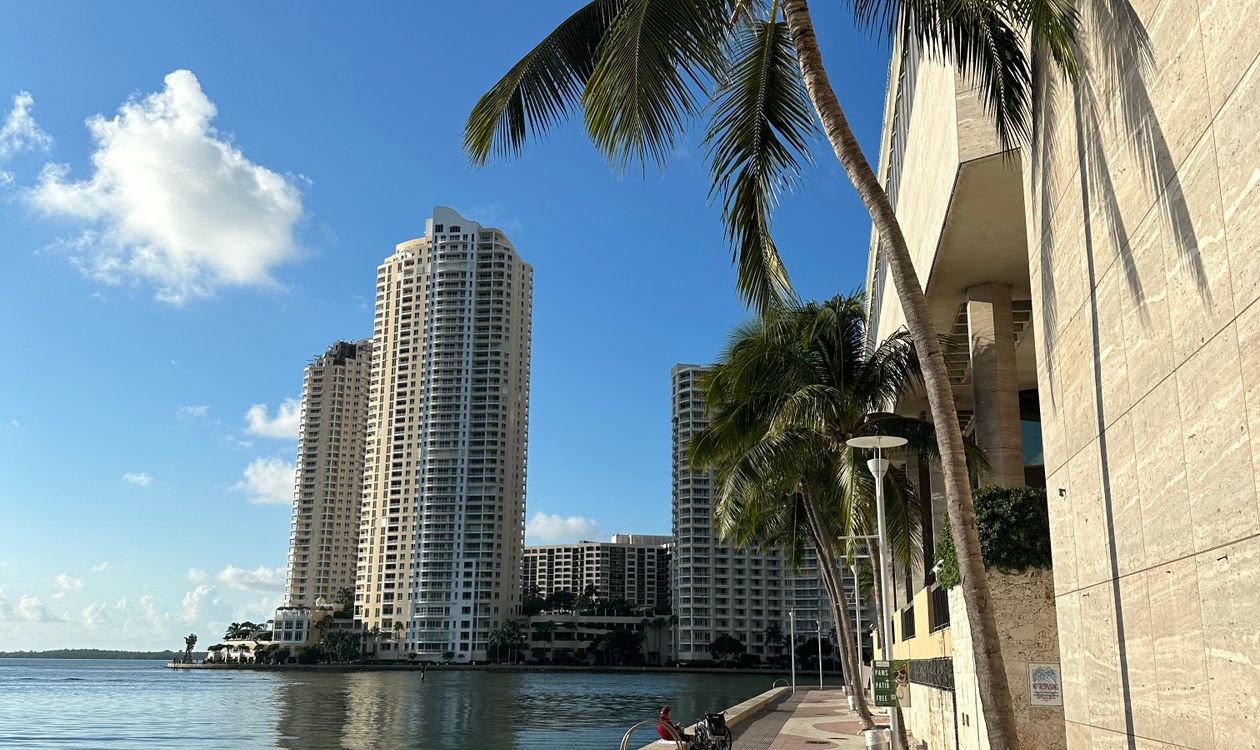
Miami's branded boom started with hotels and fashion. The next phase is standalone, brand-led, and increasingly built around lifestyle rather than a hotel flag. Knight Frank's Residence Report 2025/26 documents the shift: hotel-aligned schemes fall from 82 percent of live projects to 70 percent of the pipeline, while standalone branded developments grow their share. Kygo's Palm Tree project is a textbook standalone, a brand extending into housing with no hotel operator attached. Entertainment names fit this model because they bring three things a developer cannot manufacture:
- A built-in audience: festival and music fans who already spend on the brand's experiences and may convert into buyers or renters.
- A lifestyle promise: nightlife, events, and wellness programming that markets the building as a membership, not just an address.
- Recurring relevance: a touring artist stays in the cultural conversation in a way a static logo does not, which can keep demand warm after delivery.
- Differentiation: in a market with rising condo inventory, a distinct brand identity helps a tower stand out to the exact buyer it targets.
The risk runs the same direction. A brand built on one artist's relevance is exposed to that relevance fading. That is the underwriting question, not whether the lobby looks good on launch day.
How I Would Approach a Branded Residence in 2026
I am not anti-branded. A strong brand can deliver design, service, and resale support that a plain building never will, and Miami buyers clearly value it, which is why the city leads the world in completed schemes. What I push clients to do is buy the real estate first and the brand second. Run the building's fundamentals, the developer's track record, the projected carrying costs, and the deposit structure, before the brand story gets a vote. Property Markets Group has the preconstruction history to take seriously, and a June 2026 launch means early reservations will move fast at the best stacks, so a buyer who wants in should be ready before the public release rather than after.
Ask what the brand actually delivers in writing. Is it programming and access that lasts, or a name on the door for the first owners only? Price the unit against a comparable non-branded building nearby so you can see the premium in dollars, not vibes. If you are weighing this against other new construction, my Miami preconstruction buyer's guide walks through deposit timing, and my breakdown of what owning a Miami luxury condo actually costs shows the carrying numbers a brand premium does not erase. For context on how branded demand sits inside the wider county, see my read on Miami's two-speed condo and house market.
The Palm Tree launch is a signal worth watching. If a music brand can sell 483 units in Overtown, expect more entertainment names to follow, and expect the premium to hold only where the brand keeps delivering. Reach out before you reserve and I will price the brand against the building for you, line by line.
"A brand can add real value, or it can add a name that fades. Buy the location, the developer, and the carrying costs first. Then decide what the brand is worth on top, in dollars, not vibes."Gerardo Gonzalez, Luxury Dade Group at Compass
Frequently Asked Questions: Kygo's Palm Tree Residences Miami

Prefer to talk? Call me at (305) 964-8614 or WhatsApp.
Sources: South Florida Business Journal and Miami New Times (Palm Tree Residences Miami project details, 483 units, Overtown, PMG developer, June 2026 sales launch), May 2026; Savills Branded Residences Report 2025/26 (33% average global premium, 30% urban, 39% resort, Miami and Dubai leading completed schemes); Knight Frank Residence Report 2025/26 (standalone vs hotel-aligned pipeline shift). Information is compiled from sources deemed reliable but not guaranteed; verify current figures with your own advisors.
Last verified June 3, 2026. This article is for informational purposes only and does not constitute financial or investment advice.