Argentine buyers were 12 percent of South Florida's foreign buyers in 2025 and 13 percent in Miami-Dade, second only to Colombia, per Miami Realtors. Because Argentina has no tax treaty with the United States, a Miami condo held in a personal name faces US estate tax above roughly the first $60,000. In this LuxuryDade guide, Gerardo Gonzalez covers that gap, the REIBP, how dollars reach Miami now, and where Argentines buy in 2026.

Argentine buyers ranked second among South Florida foreign buyers in 2025 at 12% of foreign-buyer share (13% in Miami-Dade), behind Colombia at 15%, per the Miami Association of Realtors. Demand is driven mainly by peso devaluation and economic instability. Miami's Argentine community concentrates in Sunny Isles (nicknamed "Little Buenos Aires"), Aventura, and Bal Harbour. See how Argentina ranks against every other country in my 2026 Miami foreign buyer flow data.
Argentine Context
Argentine inflation closed 2024 at 117.8% and 2025 at 31.5%, according to INDEC, Argentina's national statistics agency. The bigger change for buyers is the currency regime: Argentina lifted most of the cepo cambiario for individuals on April 14, 2025, according to the U.S. International Trade Administration, ending the old monthly dollar-purchase caps and moving the peso to a managed float. Argentine buyers still typically fund Miami purchases from dollar-denominated assets or accounts held outside Argentina, but the path is far less improvised than it was in 2024.
For my Argentine buyers I start with the FX and how dollars actually arrive, not the floor plan. Sort the transfer and tax structure first, because that decides what you really net.
US-Argentina Tax Treaty Status
Argentina has neither of the two tax treaties that soften US ownership costs for Europeans and Canadians. The IRS list of income tax treaties has no Argentina entry, and Argentina is not on the IRS list of estate and gift tax treaty partners. Three consequences follow for a Miami owner:
- Estate tax: A nonresident's estate gets a unified credit of $13,000, per the IRS instructions for Form 706-NA, which covers only about the first $60,000 of US assets. Above that, federal rates rise in steps to 40 percent on the portion over $1 million. Run a $1 million Miami condo held in your own name through the federal rate schedule and the bill comes to roughly $333,000, about a third of the value.
- Rent: With no treaty, nothing reduces US withholding. Rent paid to a nonresident is withheld at 30 percent of the gross unless you elect to be taxed on net rental income, which lets you deduct expenses and depreciation. IRS Publication 519 explains the election; make it for your first rental year.
- Structure: What keeps a Miami property out of your US estate is an LLC owned by a foreign company or trust, not an LLC in your own name. Many Argentine families use a Uruguayan or other non-US holding company for this. Have your contador confirm how ARCA treats that company before you form it, because the Argentine side of the structure is where these plans usually break.
Transfer Logistics
Since the April 2025 lift, resident individuals can buy dollars through the official market without the old monthly cap, so a straight bank transfer is now realistic where it once was not. The established routes still work and are often faster: international asset sales into Uruguayan or US accounts, SWIFT transfers from dollar accounts, MEP/CCL operations that generate offshore dollars. Whichever route you use, plan the transfer infrastructure 3-6 months before purchase, because US bank onboarding and source-of-funds documentation are now the slow step, not the Argentine side.
Popular Areas for Argentine Buyers
- Sunny Isles: "Little Buenos Aires", largest Argentine community
- Aventura: family-friendly, schools, Jewish-Argentine community
- Bal Harbour: waterfront luxury
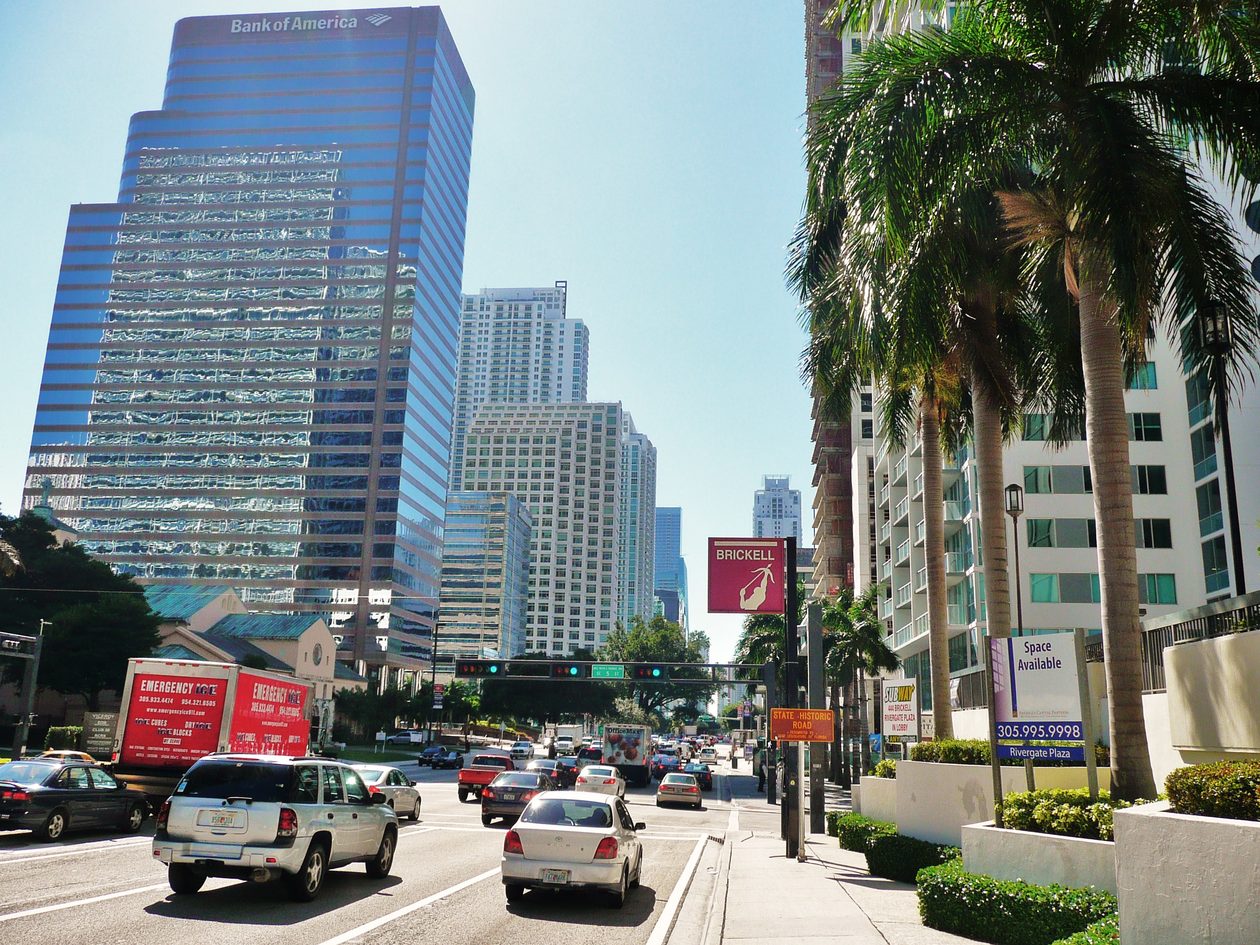
- Brickell: investment/rental, younger Argentine professionals
- Doral: gated golf-estate communities popular with family-relocation Argentine buyers. See my Doral luxury homes guide.
Financing for Argentines
Most foreign buyers here do not borrow: about 51 percent of South Florida's international purchases in 2025 closed all-cash, per Miami Realtors. For Argentine buyers who do want leverage, the realistic route is a foreign national or DSCR loan that underwrites the property's rent instead of Argentine income, and terms vary by lender, so I compare them in my DSCR loan guide for foreign buyers. My advice: borrow only if the rent covers the payment with room to spare, because for an Argentine family the cost of a bad year is a forced sale priced in dollars.
Argentine Legal Considerations
Argentina has a personal assets tax (bienes personales) including foreign property, a progressive tax on worldwide assets that Ley 27.743 is phasing down: the top rate is 0.75% for fiscal 2026, and it moves to a flat 0.25% from 2027. Confirm the current scale with your Argentine contador. Pay this to Argentine tax authority regardless of US taxes.
If you joined the REIBP, the early-payment regime that Ley 27.743 created in 2024, you prepaid Bienes Personales at 0.45 percent for fiscal 2023 through 2027, or 0.50 percent for 2024 through 2027 if you regularized assets under the same law's blanqueo. The regime runs until December 31, 2027. Ask your contador how a Miami purchase made now fits inside it before you wire the deposit. And if the dollars you are bringing were declared in the 2024 regularization, bring that declaration to closing: it is the cleanest source-of-funds record an Argentine buyer can hand a Miami title company.
My Recommendations for Argentines
- Establish dollar-transfer infrastructure 3-6 months ahead
- LLC owned by Argentine or Uruguayan company
- Residence/vacation: Sunny Isles or Bal Harbour
- Pure investment: Brickell or Edgewater
- Use bilingual Argentine attorney in Miami for closing
"Argentine buyers are among the best clients I have: well-advised, structure-aware, and clear on why they're converting to dollars via real estate."
Argentine buyer? Reach out.
Frequently Asked Questions
Why do so many Argentines buy in Miami?
Years of peso devaluation and inflation that INDEC measured at 117.8% for 2024, plus a long habit of holding savings in dollars. Inflation fell to 31.5% in 2025, but the demand for dollar-denominated assets outside Argentina has not gone away, and Miami real estate is priced in dollars with a strong appreciation history.
What happens to a Miami condo if an Argentine owner dies holding it in 2026?
With no US-Argentina estate tax treaty, the estate gets only the $13,000 nonresident credit, which covers about the first $60,000 of US assets, per the IRS instructions for Form 706-NA. On a $1 million condo held in a personal name, the federal bill runs roughly $333,000. My advice is to settle the holding structure before you sign, usually an LLC owned by a non-US company or trust.
Can I transfer Argentine pesos directly to buy in Miami?
Not as pesos, but the route is much easier than it used to be. Argentina lifted most currency controls for individuals on April 14, 2025, so residents can buy dollars through the official market without the old monthly cap and then transfer. Many buyers still use dollar-denominated assets, Uruguayan or US bank accounts, or MEP/CCL operations to generate offshore dollars.
"With Argentine buyers I always start by mapping the dollar path before we ever talk units, because the families who sort out their MEP or Uruguayan account early are the ones who close cleanly on a Miami pre-construction contract."Gerardo Gonzalez, Licensed Real Estate Agent at Compass
Do I pay Argentine personal assets tax on Miami property?
Yes if you're an Argentine tax resident. Ley 27.743 is phasing the progressive rate down: the top rate is 0.75% for fiscal 2026, moving to a flat 0.25% from 2027. Confirm the current scale with your Argentine contador.
Where do Argentines concentrate Miami purchases?
Sunny Isles ("Little Buenos Aires"), Aventura, Bal Harbour, Brickell. Strong Jewish-Argentine community in Aventura North.
Do Argentine banks handle transfers to the US legally?
Yes under Banco Central procedures. Grupo Supervielle, Banco Galicia, BBVA Argentina, Santander Rio process transfers from dollar accounts.
Which Argentine lawyers work in Miami real estate?
Several established Argentine firms have Miami offices. I refer directly based on transaction type.
Frequently Asked Questions

Ready to Work with Gerardo?
Book a 30-minute call. I walk you through specific buildings, units, and numbers relevant to your situation. No pitch, just analysis.
Book a ConsultationPrefer to talk? Call me at (305) 964-8614 or WhatsApp.