The 1978 US-France treaty covers estates and gifts, per the IRS, and adds a spouse rule that matters for married buyers: US real property left to a non-US-citizen spouse counts only above 50 percent of the US-taxable estate. In this LuxuryDade guide, Gerardo Gonzalez covers that spouse rule, the pro-rata credit against the $15 million 2026 US exclusion, IFI, SCI versus LLC, EUR/USD planning and where French buyers are buying in 2026.

I work with French buyers across Brickell, Coconut Grove, Miami Beach, Sunny Isles Beach, and Coral Gables. Three profiles of French buyers are active in Miami right now: private wealth investors drawn by Florida's zero state income tax and USD diversification away from France's high fiscal burden, lifestyle buyers from Paris or the French Riviera who want a second home with direct Air France service from Paris CDG to Miami, and entrepreneurs expanding their US footprint. French buyers have one structural advantage many other European profiles do not: the 1978 US-France estate and gift tax treaty provides pro-rated estate tax protection. This means personal ownership may be viable for many French buyers, and the holding structure is a decision to settle with your advisors before you reserve. Before your first developer tour, read my complete guide for foreign national buyers in Miami. Then return here for the France-specific analysis: treaty mechanics, EUR/USD currency strategy, US financing options, DGFiP reporting obligations, IFI wealth tax planning, and the neighborhoods where French buyers are concentrating in 2026.
US-France Tax Treaty: What French Buyers Must Know Before Buying
France has one of the most complete death-tax treaties the United States has signed. The 1978 convention covers estates, inheritances and gifts (the IRS lists France as an estate and gift treaty partner), and a protocol signed December 8, 2004 added two spouse provisions that matter for a married couple buying in Miami. Here is how the pieces fit:
- The pro-rata credit: Under Article 12 of the treaty, a French domiciliary's estate gets the larger of the ordinary nonresident credit or the credit a US citizen's estate gets, scaled to the share of the worldwide estate located in the US. A US citizen's estate shelters $15,000,000 in 2026. A buyer with a $1 million Miami condo inside a EUR 5 million (roughly $5 million) estate is sheltered on about one fifth of that, roughly $3 million of US assets, so no US estate tax is due.
- The 50 percent spouse exclusion: Article 11 as amended in 2004 says US real property passing from a France-domiciled spouse to a surviving spouse who is not a US citizen counts in the US taxable base only to the extent it exceeds 50 percent of the US-taxable property. Leave a $2 million Miami condo to your wife or husband and, if it is your only US asset, only $1 million enters the US calculation before the pro-rata credit applies. The same article offers an alternative marital deduction, up to the US exclusion amount, if your executor elects it and waives the other marital deduction.
- France still taxes the whole estate: Article 12 lets France tax everything a French domiciliary leaves, the Miami condo included, and then deduct the US tax paid on it, capped at the French tax on that same property. In practice the family pays roughly the higher of the two countries' bills on the condo, not both. Model the French succession bill too, because for a child inheriting a large estate it can be the bigger one.
- Rental income: The US taxes Miami rent first. Under Article 24 of the US-France income tax treaty, France counts that income when computing your French tax and then grants a credit equal to the French tax on it. The rent is not taxed twice, but it raises the rate on the rest of your French income.
- Where an LLC fits: A single-member Florida LLC you own personally is disregarded for US income tax, per IRS Publication 3402, and it does not take the condo out of your US estate. A Florida LLC owned by a foreign company or trust does. For many French couples the treaty already covers the estate risk, and the real question is how a US LLC sits next to French SCI and IFI rules, covered below.
- Selling: FIRPTA requires the buyer to withhold 15 percent of the gross price, and a Form 8288-B application before closing can reduce it to the tax actually due. See my FIRPTA guide for foreign sellers.
My advice to French couples: decide whose name goes on the title with the spouse provisions in front of you, because the 50 percent exclusion only works for property that passes to the surviving spouse. Bring a US estate attorney and your notaire into the same conversation before the reservation, since a French marriage regime and a Florida deed can point in different directions.
EUR to USD Currency Planning for French Buyers
As of May 2026, EUR/USD is approximately 1.08 to 1.12, meaning a $1 million USD Miami condo costs about EUR 893,000 to 926,000. The euro has moved 8 to 12 percent against the dollar in each of the past three years. For a pre-construction buy with deposits spread over 30 months, currency risk is real. Here is how the key scenarios play out at current rates:
| USD Purchase Price | At EUR/USD 1.05 | At EUR/USD 1.10 (May 2026) | At EUR/USD 1.15 |
|---|---|---|---|
| $500,000 | EUR 476,000 | EUR 455,000 | EUR 435,000 |
| $1,000,000 | EUR 952,000 | EUR 909,000 | EUR 870,000 |
| $2,000,000 | EUR 1,905,000 | EUR 1,818,000 | EUR 1,739,000 |
| $5,000,000 | EUR 4,762,000 | EUR 4,545,000 | EUR 4,348,000 |
For deposit wires over EUR 100,000, I recommend a currency broker rather than a French bank. BNP Paribas and Société Générale typically charge 0.8 to 1.2 percent spreads on EUR/USD conversions. Currency brokers such as OFX, Moneycorp, and Wise Business charge 0.3 to 0.5 percent. On a EUR 900,000 conversion, that spread difference saves EUR 4,500 to 8,100. Forward contracts lock today's EUR/USD rate for conversions up to 12 months out, protecting your euro cost across each deposit milestone. The European Central Bank (ECB) key rate is approximately 2.5 percent as of May 2026 following rate cuts in 2025, keeping EUR hedging costs moderate. For a complete breakdown of how Miami pre-construction deposit schedules work, read my Miami pre-construction buyer guide.
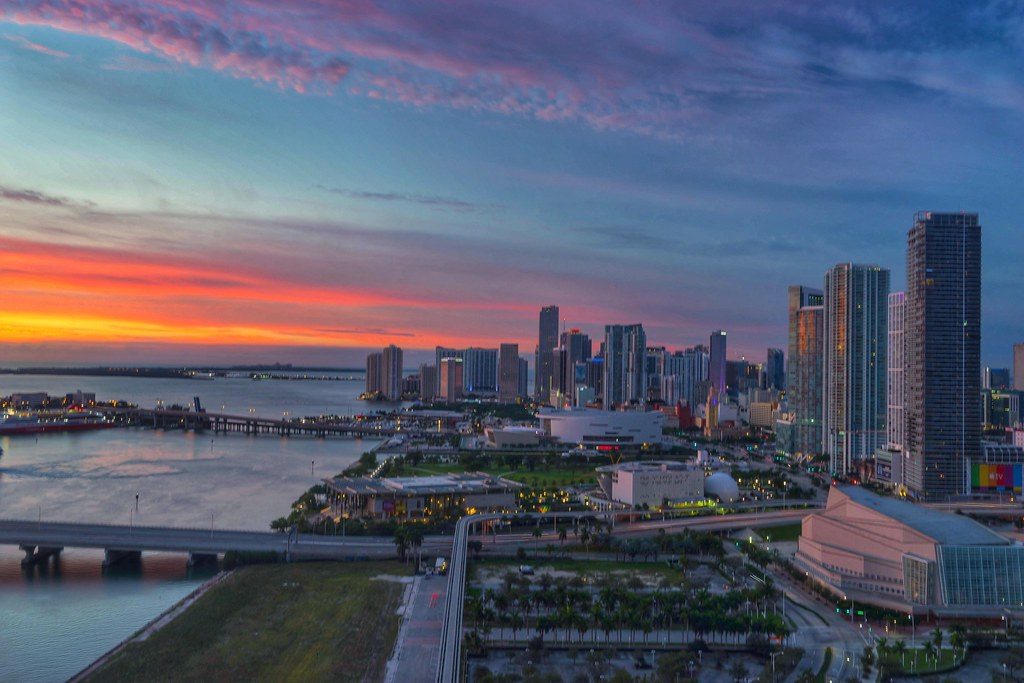
Best Neighborhoods for French Buyers in Miami
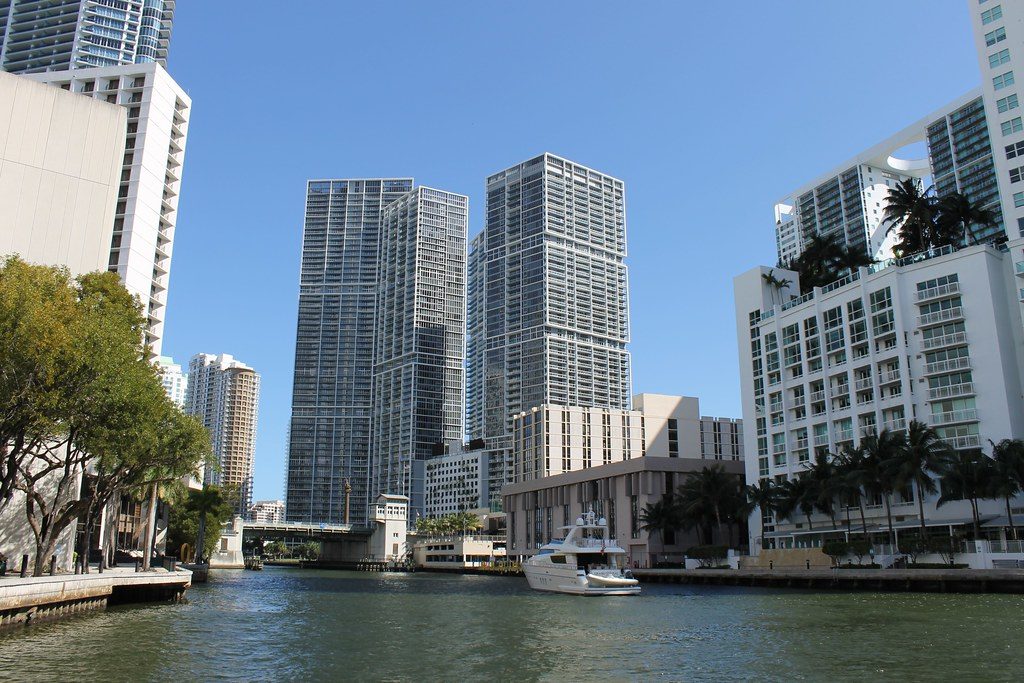
French buyers in Miami tend to prioritize walkability, architectural quality, cultural life, and proximity to international schools, criteria that echo the priorities driving residential purchases in Paris or Nice. Here is where French buyers are concentrating and why:
- Coconut Grove: The most European-feeling neighborhood in Miami. Walkable streets, a marina, independent boutiques, and tree-lined blocks that feel closer to a Parisian arrondissement than a US suburb. French families who want top private schools (Ransom Everglades, Carrollton, Palmer Trinity) within 10 minutes concentrate here. Prices from $500,000 to $8 million. See my Coconut Grove luxury guide for specifics.
- Coral Gables: Historic residential neighborhood with Mediterranean Revival architecture and the University of Miami. French buyers with families and long-term residency plans prefer Coral Gables for its stability, school district, and French consulate proximity. Prices from $600,000 to $7 million.
- Miami Beach: A natural draw for French buyers who want a lifestyle property near international culture, Art Basel Miami Beach, and direct access to the ocean. The French-American School of Miami Beach serves French-speaking families. Prices from $500,000 to $20 million+. See my Miami Beach luxury guide.
- Brickell: Miami's financial district. French entrepreneurs and private wealth investors who want yield-focused urban assets concentrate here. Corporate rental demand keeps vacancy near 2 percent. Gross rental yields 5 to 7 percent. Entry from $500,000. See my Brickell luxury condo guide for current inventory.
- Bal Harbour: The quietest oceanfront area in Miami-Dade. Limited tower inventory, Bal Harbour Shops, and low-density streets give it a French Riviera resort feel. French buyers who want a low-maintenance lifestyle purchase prefer this area. Prices from $1.5 million to $15 million. See my Bal Harbour luxury guide.
My recommendation: Coconut Grove or Coral Gables for French families and lifestyle buyers. Brickell for pure yield. Miami Beach for cultural life and vacation use. Bal Harbour for low-maintenance prestige. For a full breakdown, see my Miami neighborhood guide with building-by-building analysis.
How the French DGFiP and IFI Treat Miami Rental Income and Ownership
France taxes residents on worldwide income, but the US-France income tax treaty assigns primary taxing rights on US real estate income to the United States. The mechanics of how France handles your Miami income and wealth involve two separate tax authorities and are specific to your situation:
- US tax comes first on rental income: Miami rental income is taxed in the US. You file a US non-resident return (Form 1040-NR), deduct allowable expenses including depreciation, and pay US federal income tax on net rental income. Florida has no state income tax, eliminating that layer entirely.
- France applies the credit method for rental income: Under the US-France income tax treaty, France exempts US rental income from French income tax (Impot sur le Revenu) but you may still owe French social charges (prelevement sociaux at 17.2 percent) on the rental income. The US tax paid is credited against the French social charges. Work with a French avocat fiscaliste experienced in US-France cross-border real estate filings.
- IFI (Impot sur la Fortune Immobiliere) on Miami property: France's real estate wealth tax applies to French tax residents with worldwide real estate assets exceeding EUR 1.3 million net. A Miami condo owned in your personal name or via a transparent French SCI counts toward the IFI threshold. IFI rates range from 0.5 percent on assets between EUR 800,000 and EUR 1.3 million to 1.5 percent above EUR 10 million. This is a significant cost for French buyers with substantial real estate portfolios.
- IFI planning with LLC: A Florida LLC owned by a non-French entity may reduce IFI exposure because LLC membership interests may be classified as financial assets rather than direct real estate holdings. This is an evolving area of French tax law. Consult a French notaire or avocat fiscaliste specializing in US-France structures before deciding on ownership form.
- French capital gains on US real estate sale: The US capital gains tax (0 to 20 percent for non-resident sellers) applies when you sell. The US-France treaty provides a credit mechanism. France may also impose the 19 percent EU/EEA capital gains rate plus social charges on the French side for French residents, with a credit for US tax paid. Net result varies by your specific holding period and asset gain.
- DGFiP compliance: French residents must declare all foreign assets and income, including US rental income and US property value, on their annual French declaration. Failure to declare a US property carries penalties under French fiscal law. Work with a dual-jurisdiction advisor experienced in both IRS Form 1040-NR and French DGFiP filings.
According to Knight Frank's 2026 Wealth Report, France ranks in the top countries for outbound wealth seeking US real estate diversification, in part driven by French buyers' desire to diversify away from IFI-subject assets into USD-denominated holdings. BNP Paribas Wealth Management and Société Générale Private Banking increasingly facilitate Miami introductions for high-net-worth French clients. See my foreign national buyer guide for a full cross-border tax framework.
Financing Options for French Buyers in Miami
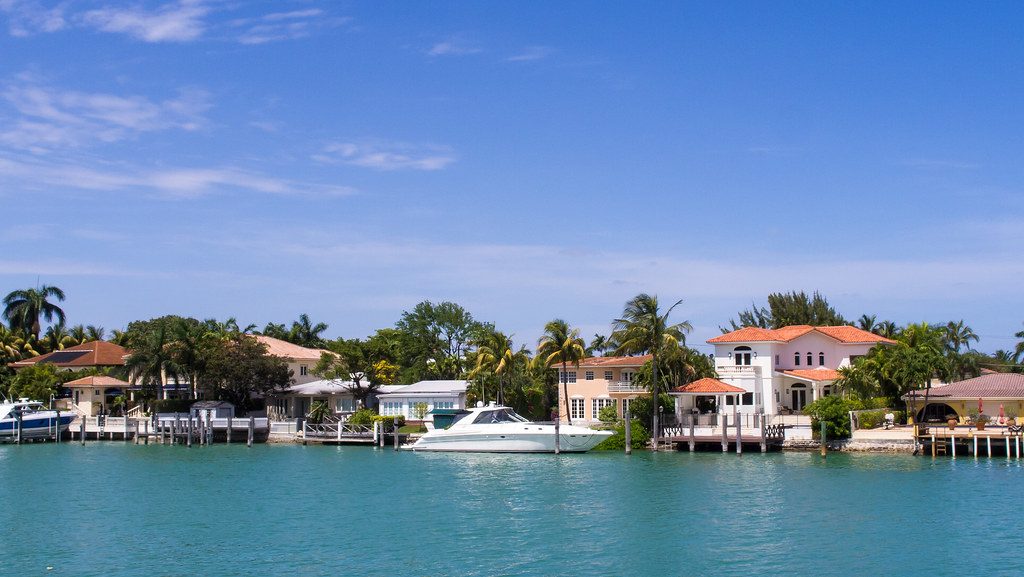
French banks do not lend directly on US real estate. French buyers finance Miami purchases through US foreign national lenders, DSCR lenders, or by releasing equity from French property, which can be attractive at current ECB-linked mortgage rates. Here are the main financing options available in 2026:
| Lender Type | Product | Rate (May 2026) | Min Down | Notes |
|---|---|---|---|---|
| US Foreign National Lenders | Full-doc foreign national loan | 7.25-8.0% | 30% | French payslips or tax returns + 24mo bank statements accepted |
| DSCR Lenders (US) | Debt-service coverage ratio loan | 7.75-8.5% | 25% | Qualifies on projected rental income, no French income docs needed |
| BNP Paribas Wealth Management | Lombard loan / international referral | 5.5-7.0% | 30% | Pledge against French investment portfolio; referral to US partner lenders |
| Société Générale Private Banking | Custom international credit facility | 5.5-7.0% | N/A | Available to existing SG private banking clients with EUR 1M+ relationship |
| French property equity release | EUR loan on French real estate | 3.0-4.5% | N/A | Release EUR equity at ECB-linked rates to fund USD pre-construction deposits |
The most efficient strategy I see with French clients: refinance a paid-off or low-leverage French property to release euros at current ECB-linked rates (3.0 to 4.5 percent as of May 2026), convert to USD via a currency broker at forward contract rates, and fund pre-construction deposit milestones. Then arrange a US foreign national mortgage or DSCR loan before building delivery. According to international buyers data, French buyers with existing BNP Paribas or Société Générale private banking relationships often have access to Lombard loan facilities that fund Miami deposits at rates well below US foreign national mortgage rates. For details on DSCR loans for buyers with no US income history, see my DSCR loan guide for foreign buyers.
LLC vs SCI vs Personal Name: Ownership Structure for French Buyers
French buyers sometimes ask whether to hold Miami property through a French SCI (Societe Civile Immobiliere), which is the common French vehicle for real estate ownership. The answer is clear: do not use a French SCI for US real estate. Here is the full ownership structure analysis:
- Personal ownership with treaty protection: Because France has the 1978 US-France estate tax treaty, personal ownership may be viable if your US assets represent a small proportion of your worldwide estate. Example: EUR 8 million worldwide estate, $1 million Miami condo (roughly 12 percent). Pro-rata credit: 12 percent of $15 million = $1.8 million. No estate tax due. But personal ownership also means your name appears in public Florida property records and you face direct liability exposure.
- Florida LLC for liability and privacy: The treaty credit, not the LLC, is what limits your US estate tax unless a foreign company or trust owns the LLC. The LLC still provides liability protection from tenant claims, privacy, and a simpler French succession file. Setup: $500 to $1,500. Annual Florida fee: $138. IFI treatment of LLC interests is evolving; consult a French avocat fiscaliste. See my LLC structuring guide for foreign buyers.
- French SCI as direct owner: avoid. A French SCI owning US real property creates US Passive Foreign Investment Company (PFIC) complexity, potential branch profits tax, and does not provide the clean US-France treaty protection that personal ownership or an LLC does. French families who have attempted SCI-based US ownership have faced significant restructuring costs. Not recommended.
- When IFI planning changes the calculus: If your total worldwide real estate exceeds EUR 5 million, and the Miami property represents a significant share, a Florida LLC owned by a non-French holding structure may reduce IFI exposure while maintaining the US estate tax protection. This is an advanced structure requiring coordinated French and US legal advice. The savings on IFI alone can justify the planning costs for high-net-worth buyers.
My recommendation for French buyers: settle the holding structure with a US-France advisor before you reserve. If the treaty credit covers your estate, personal ownership or a simple LLC is enough; if it does not, the LLC needs a foreign company or trust above it. French notaires are increasingly familiar with both structures for Franco-American succession planning.
Pre-Construction Deposits: EUR Currency Planning for French Buyers
Miami pre-construction requires substantial cash before a mortgage enters the picture. For French buyers, each deposit milestone is a EUR/USD conversion event. Understanding the euro cost at each stage lets you plan forward contracts and French property equity draws well in advance. Here is a typical branded tower deposit schedule and what it means in euros at May 2026 EUR/USD 1.10 rates (each developer sets its own, so confirm yours in the purchase contract):
| Deposit Stage | USD (on $1.75M unit) | EUR Equivalent | Typical Timeline |
|---|---|---|---|
| Reservation deposit | $87,500-$175,000 (5-10%) | EUR 79,500-159,000 | Day 1-14 |
| At contract execution | To 20% total ($350,000) | EUR 318,000 | 30-60 days after reservation |
| At groundbreaking | +10% ($175,000) | EUR 159,000 | 6-12 months in |
| At top-off / structural | +5-10% ($87,500-$175,000) | EUR 79,500-159,000 | 18-24 months in |
| At closing | Balance 60-70% + closing costs | EUR 955,000-1,114,000 | 28-36 months out |
On a $1.75 million unit, pre-closing deposit obligations total $525,000 to $700,000 USD, equivalent to EUR 477,000 to EUR 636,000 at current rates. A 5 percent euro appreciation against USD reduces that euro cost by approximately EUR 27,000. For French buyers I put the forward cover in place the day you reserve, since the euro side of your deposit ladder is fixed years before the tower is finished. OFX and Moneycorp offer EUR/USD forward contracts at 0.3 to 0.5 percent spreads, well below what BNP Paribas or Société Générale charge for spot conversions. For a complete breakdown of what happens if a developer defaults before delivery, see my pre-construction default guide. For ongoing ownership costs after closing, see my Miami condo insurance guide.
Step-by-Step Buying Process for French Buyers
The US side of the purchase is identical for every foreign buyer: the ITIN, the US bank account, mortgage pre-approval and the deposit milestones are all in my foreign national buyer guide. For French buyers, four decisions come in a specific order:
- Treaty, IFI and DGFiP first. With a US-France advisor, decide whether you hold personally under the 1978 treaty credit, through a Florida LLC, or through a Florida LLC owned by a non-French holding structure if your IFI exposure is high. Set your DGFiP disclosure plan for the US property before you reserve.
- Lock the euro. Set up forward contracts with a currency broker such as OFX or Moneycorp for your first two deposit milestones. Savings versus spot conversion through BNP Paribas or SG typically run 0.5 to 0.9 percent of the converted amount.
- Use the 15-day window. Florida's developer rescission period gives you time to finalize the structure after you sign. That is also when I go through the building's reserve funding with French buyers, using my Florida SB 4D condo reserve guide.
- Close and file in both countries. In the first year, report the US property value under IFI rules and US rental income under the treaty credit method, and coordinate IRS Form 1040-NR with your French avocat fiscaliste.
A multi-year pre-construction build can span 3 French tax years, requiring 3 coordinated DGFiP and IRS filings plus multiple EUR/USD conversions. Plan the full euro cost before you commit. Read my foreign national buyer guide for the complete cross-border framework.
"French buyers I work with in 2026 have a real structural advantage: the 1978 US-France estate tax treaty. But what I tell every French client is this: the treaty math works for most profiles, and when it does not, the fix is an LLC owned by a foreign company or trust, not an LLC in your own name. The buyers who close with the cleanest structure are those who settled it before they reserved the unit, not after. And with IFI also in the picture for high-net-worth French buyers, getting the ownership structure right from day one is worth the planning cost."Gerardo Gonzalez, Licensed Real Estate Agent at Compass
Frequently Asked Questions: French Buyers in Miami

Ready to Work with Gerardo?
Book a 30-minute call. I walk you through specific buildings, units, and numbers relevant to your situation. No pitch, just analysis.
Book a ConsultationPrefer to talk? Call me at (305) 964-8614 or WhatsApp.