Colombia finished as the top foreign country buying South Florida real estate in 2025 at roughly 15 percent of all international purchases, ahead of Argentina near 12 percent, according to the Miami Realtors 2025 International Report. In my pipeline the order tracks that data almost exactly, with Colombian and Argentine families dominating Brickell pre-construction this cycle. Watch the peso and Canadian dollar, because currency moves shift which country leads each quarter.
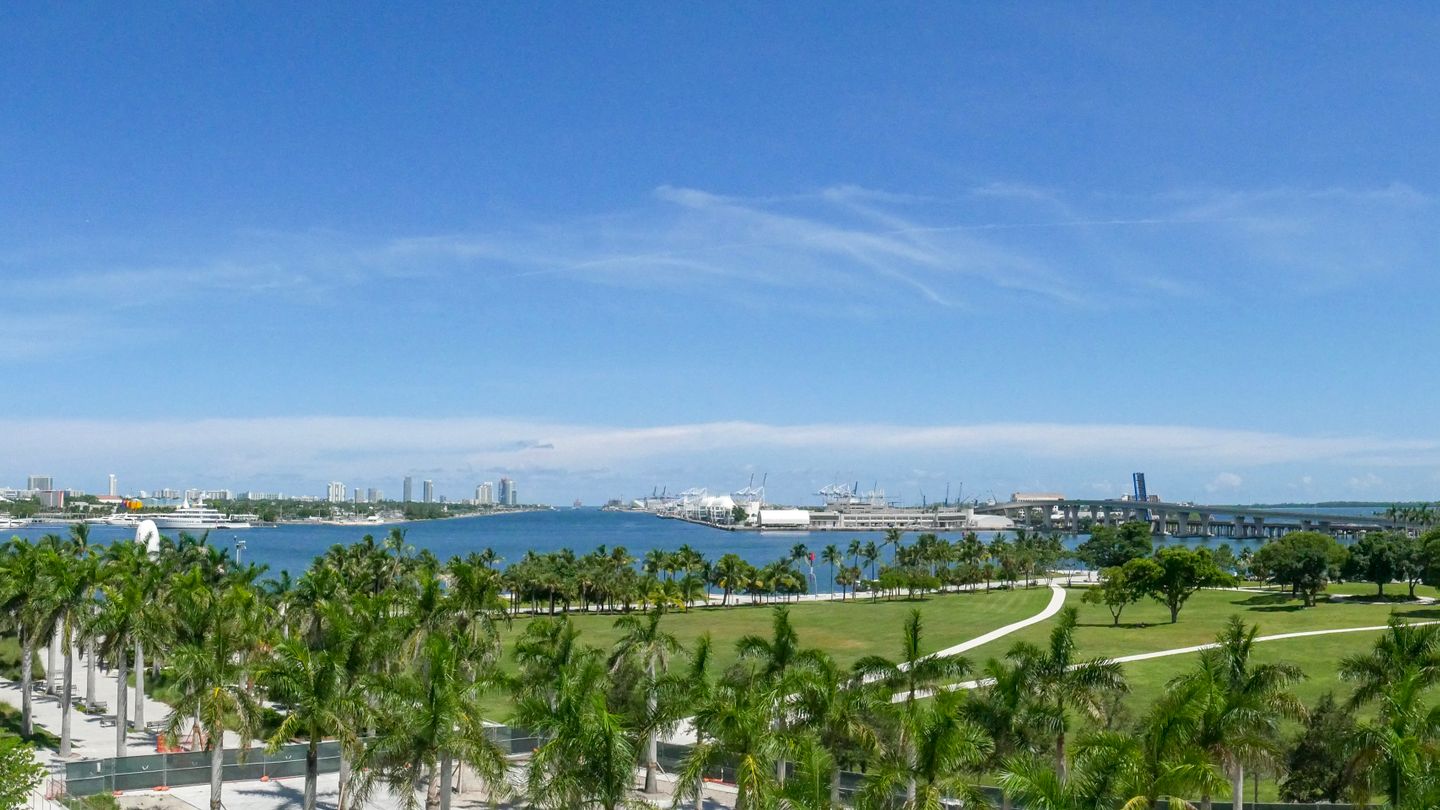
Every year I get the same question from sellers, developers, and journalists: who is actually buying Miami? Not the stereotype, the real flow of money by country, by dollar volume, by neighborhood. The headline from the National Association of Realtors is striking: foreign buyers purchased 56.0 billion dollars of US existing homes from April 2024 through March 2025, a 33.2 percent jump from the prior 12 months, and the first year-over-year increase since 2017. Florida led every state, and the Miami Realtors 2025 International Report shows buyers arriving from 73 different countries. Below I break down which countries lead, how much they spend, and where they buy.
Which Countries Lead Miami's Foreign Buyer Flow in 2026
Colombia took the top spot in 2025. According to the Miami Realtors 2025 International Report, Colombian buyers accounted for roughly 15 percent of all international real estate purchases in South Florida, with Argentina close behind near 12 percent. Mexico, Brazil, and Venezuela each landed in the high single digits, and Canada and Peru rounded out the leaders. This is a Latin-America-heavy table, and it has been for years, which is exactly why I keep my practice bilingual and why presale launches in Brickell sell first to Bogota and Buenos Aires. My detailed guide for Colombian buyers goes deeper on financing and tax for that group specifically.
The national picture from NAR tells the same story with a different mix. Across the whole United States from April 2024 to March 2025, Canada led all origin countries at 13 percent of foreign-buyer purchases, with China and Mexico tied at 11 percent each. Miami skews far more Latin American than the US average because of flight routes, language, and the pre-construction product that Colombian and Argentine buyers specifically want.
| Country | Share of South Florida foreign purchases (2025) |
|---|---|
| Colombia | ~15% |
| Argentina | ~12% |
| Mexico | ~7% |
| Brazil | ~7% |
| Venezuela | ~5% |
| Canada | ~5% |
| Peru | ~5% |
Source: Miami Realtors 2025 International Report (released January 27, 2026).
How Much Foreign Buyers Actually Spend
The dollar figures matter more than the headcount, because foreign buyers skew toward higher price points than domestic buyers. Nationally, NAR reports that foreign-buyer purchases reached 56.0 billion dollars in the year to March 2025, a 33.2 percent increase, on 78,100 properties, up 44 percent. Both the dollar volume and the unit count rose together, which signals genuine demand recovery rather than a few trophy sales distorting the average.
In Florida specifically, the country-level dollar volumes are large. According to Florida Realtors, Canadian buyers spent 1.9 billion dollars in 2025, a 52 percent jump from 2024, and Colombian buyers staged a resurgence to roughly 925 million dollars. The Miami Realtors 2025 International Report adds that total foreign dollar volume rose 42 percent year over year and that 51 percent of global buyers who searched Miami went on to close. That conversion rate is the number I watch most, because it tells me intent is real, not just browsing.
- 56.0 billion dollars: total US foreign-buyer purchases, year to March 2025 (NAR)
- +33.2%: year-over-year growth in foreign dollar volume (NAR)
- 78,100 properties: foreign-buyer units, up 44% (NAR)
- 1.9 billion dollars: Canadian dollar volume in Florida, 2025 (Florida Realtors)
- +42%: South Florida foreign dollar volume growth (Miami Realtors)
Where Foreign Buyers Concentrate Inside Miami
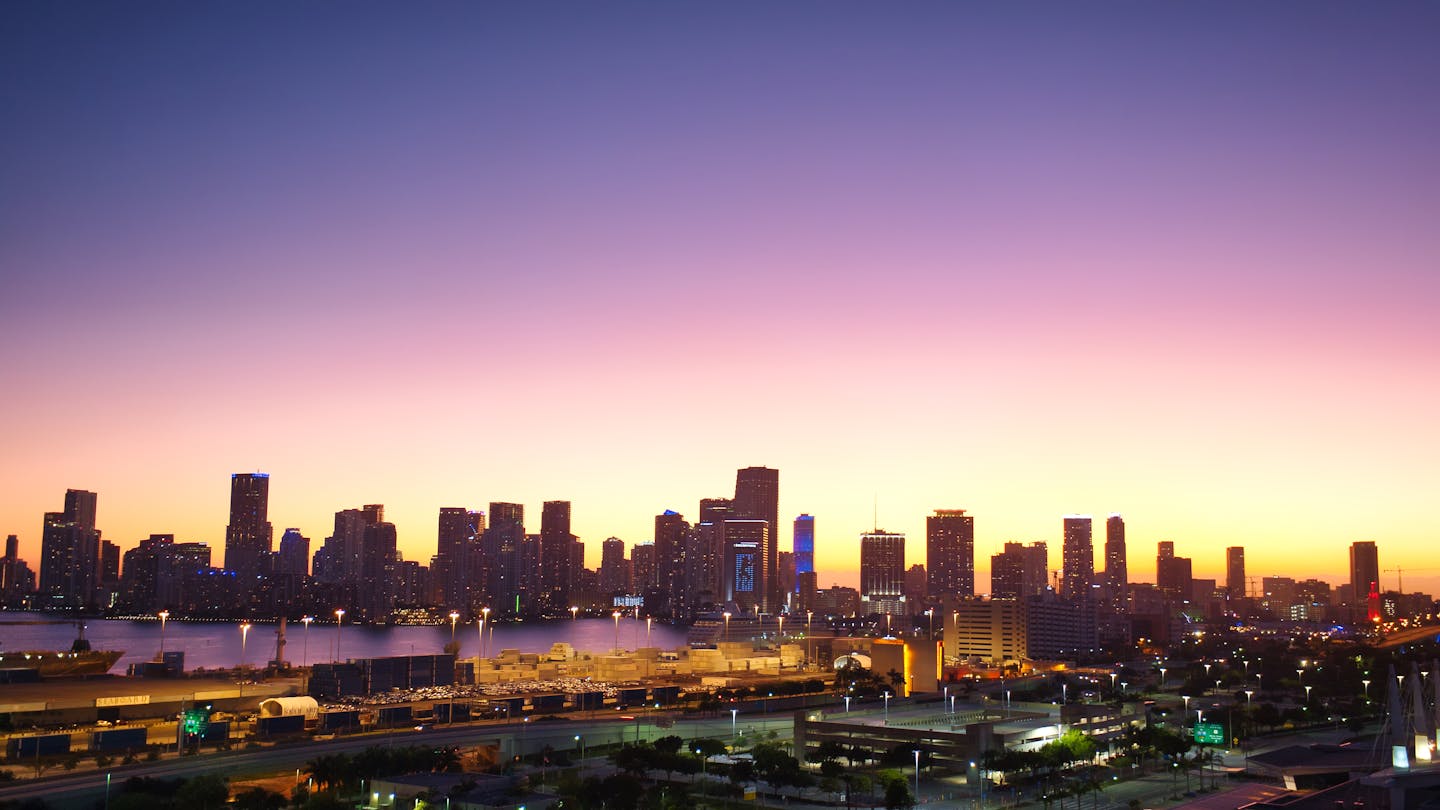
The country a buyer comes from is the single best predictor of where they buy. Latin American capital flows into pre-construction towers because buyers want brand-new product, developer financing terms, and the chance to assign a contract before delivery. European and Canadian buyers lean toward established beach addresses. Here is the pattern I see across closings, and it lines up with where the search traffic concentrates.
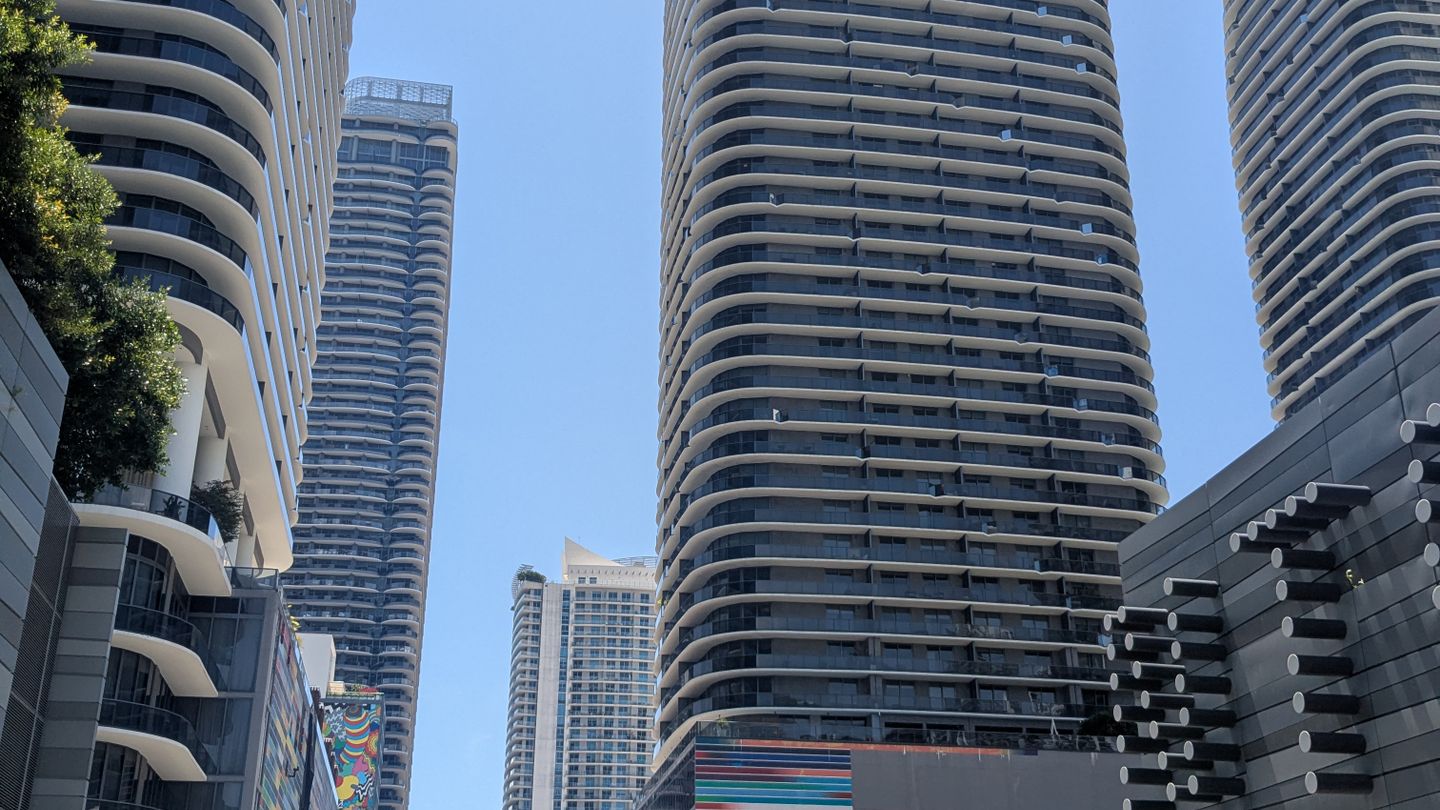
- Brickell and Edgewater: Colombian and Argentine buyers dominate branded pre-construction here, near the financial district and direct flights home
- Sunny Isles Beach: oceanfront towers favored by a mix of Latin American and Russian-speaking buyers
- Miami Beach and Bal Harbour: Canadian and European second-home buyers, plus Brazilian families
- Aventura: established Latin American community, strong schools, gated luxury
- Coral Gables and Coconut Grove: Mexican and Venezuelan professional families seeking single-family privacy
This is why a single citywide average misleads. A Colombian buyer's Miami looks nothing like a Canadian buyer's Miami, and pricing demand in Brickell can run hot while beach resale cools, or the reverse. I track the flow neighborhood by neighborhood, not as one number.
What's Driving the 2025 to 2026 Surge
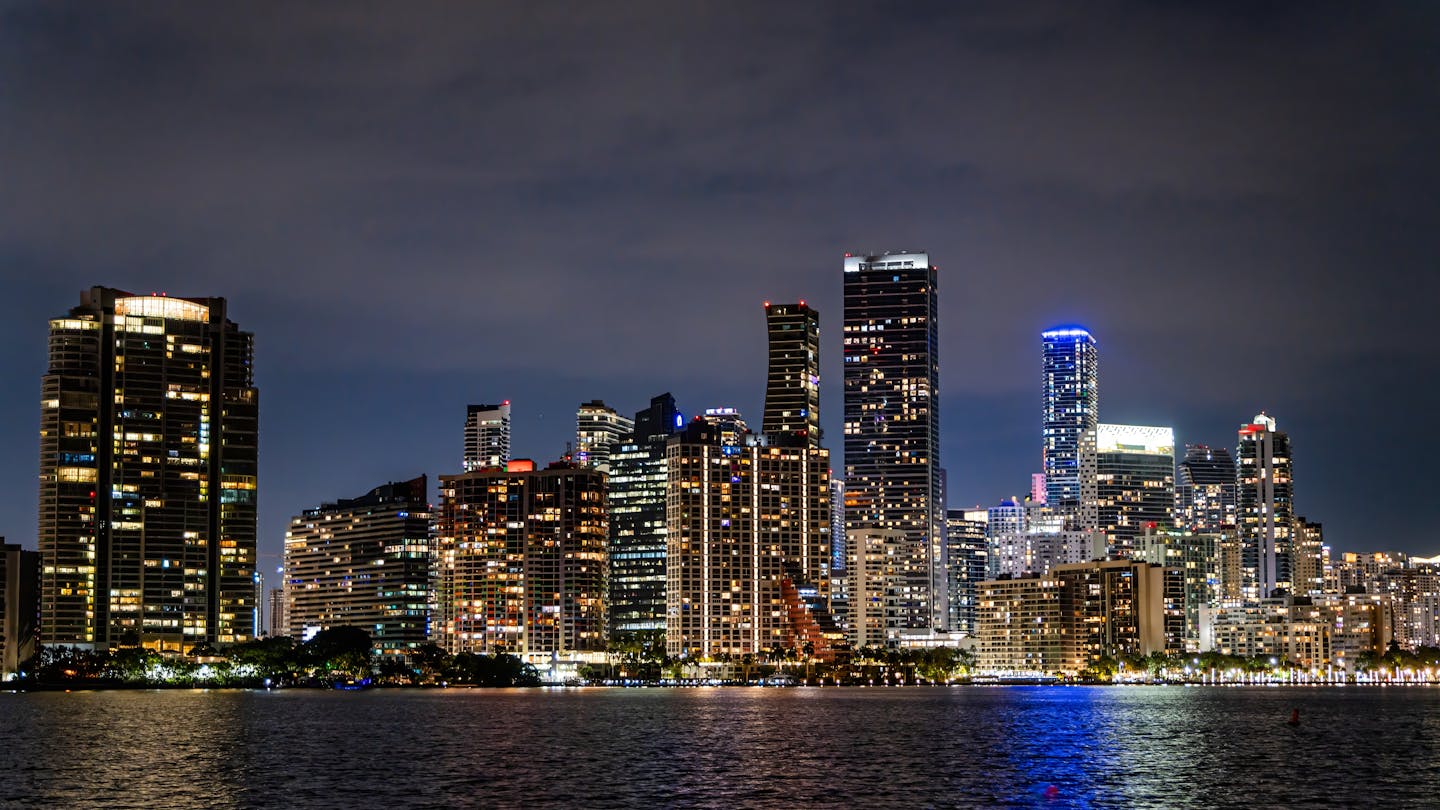
After several down years, foreign demand turned sharply higher. The 44 percent jump in foreign-buyer units that NAR reported was the first annual increase since 2017, so this is a real inflection, not noise. Three forces are doing the work, and all three favor Miami specifically.
First, currency. When the Canadian dollar, Colombian peso, or Argentine peso moves, buying power shifts overnight, and Florida Realtors tied the 52 percent surge in Canadian dollar volume partly to exchange-rate timing. Second, political and economic hedging. Latin American buyers have historically used Miami real estate as a hard-asset hedge against instability at home, which is why Argentine and Venezuelan flows stay resilient through their own domestic turmoil. Third, the pre-construction pipeline itself. Miami has more branded, deliverable new towers than any competing US market, and that product is what international buyers want.
For Russian and sanctioned-jurisdiction buyers, I add one note that has nothing to do with marketing and everything to do with compliance: every transaction runs through standard US anti-money-laundering and OFAC screening, and FinCEN's beneficial-ownership reporting now applies to all-cash residential purchases nationwide. I do not work around those rules, and no legitimate buyer should want me to. For the full tax mechanics, see my tax guide for international buyers by country, and the broader foreign national buyer guide.
Cash vs Financing: How Foreign Buyers Pay
Foreign buyers pay cash at far higher rates than domestic buyers, and that single fact shapes how they compete in Miami. A cash offer skips appraisal contingencies, closes faster, and lets an international buyer win against a financed local in a multiple-offer pre-construction launch. The trade-off is liquidity: more capital is tied up upfront, and structuring matters for tax and estate exposure.
| Factor | All-cash purchase | Financed purchase |
|---|---|---|
| Speed to close | Fast, no lender timeline | Slower, lender underwriting |
| Appraisal contingency | Can waive | Usually required |
| Typical foreign-buyer use | Most common | Private-bank clients |
| Compliance screening | FinCEN beneficial-ownership reporting applies | Lender plus FinCEN screening |
For buyers who do finance, foreign-national loan programs through US lenders and international private banks typically require 25 to 40 percent down. I always recommend buyers talk to a US tax advisor about entity structure before signing, not at closing, because an LLC or offshore holding company can change estate-tax exposure materially. The flow data shows who is buying; the structuring decides how much of it they keep.
What the Data Means If You're Selling or Buying
If you own a Brickell or Edgewater pre-construction unit and want to sell, the flow data says your most likely buyer speaks Spanish and is comparing your unit against new launches, not just resale. Price and present it for that audience. If you are an international buyer, the data works in your favor: you are part of a 56 billion dollar wave, and well-prepared buyers negotiate better terms.
- Decide entity structure with a US tax advisor before you sign, not at closing
- Match neighborhood to your goal: Brickell and Edgewater for pre-construction upside, the beaches for established second homes
- Be ready to move at cash speed; financed buyers lose launches to cash offers
- Track the currency that funds your purchase, because timing the exchange rate moves real money
- Work with a bilingual agent who reads the country-by-country flow, not a citywide average
Frequently Misread Numbers
Two figures get misquoted constantly. The 56 billion dollars is the US total, not Miami alone; Miami-Dade is the leading metro but not the whole pie. And the foreign-buyer share of all US existing-home sales was just 1.9 percent by count, per NAR, which sounds small until you remember foreign buyers cluster in a handful of luxury markets like Miami, where their local share runs many times higher. Context decides whether a number means a lot or a little.
"The country a buyer comes from predicts where they buy better than their budget does. I read Miami one flow at a time, never as a single average."Gerardo Gonzalez, Licensed Real Estate Agent at Compass
Want the flow read for your specific building or budget? Reach out and I will walk you through the current numbers.
Frequently Asked Questions
Which country buys the most Miami real estate in 2026?
Colombia finished as the top foreign country purchasing South Florida real estate in 2025, accounting for roughly 15 percent of all international purchases, according to the Miami Realtors 2025 International Report. Argentina ranked second near 12 percent, with Mexico, Brazil and Venezuela close behind.
How much did foreign buyers spend on US homes in the latest period?
Foreign buyers purchased 56.0 billion dollars of US existing homes from April 2024 through March 2025, a 33.2 percent jump from the prior year, per NAR. They bought 78,100 properties, up 44 percent, the first year-over-year increase in foreign purchasing since 2017.
Why is Florida the top state for foreign buyers?
Florida led all US states as the top destination for foreign buyers from April 2024 to March 2025, according to NAR. Latin American proximity, no state income tax, year-round flights to Bogota, Buenos Aires and Sao Paulo, and a deep pre-construction pipeline concentrate global demand in Miami-Dade.
How many countries buy property through Miami Realtors?
Buyers from 73 countries purchased South Florida real estate in the latest reporting window, and 51 percent of global buyers who searched Miami went on to purchase, according to the Miami Realtors 2025 International Report. Total foreign dollar volume rose 42 percent year over year.
"The flow recovers in waves. After years of decline, foreign units jumped 44 percent, and I felt it first in Brickell presale reservations before the report confirmed it."Gerardo Gonzalez, Licensed Real Estate Agent at Compass
Do foreign buyers pay cash for Miami property?
Most do. International buyers historically pay all cash at far higher rates than US buyers because financing a US home from abroad is harder. Cash closings avoid appraisal contingencies and let foreign buyers compete cleanly in Miami's pre-construction and resale markets.
How much did Canadian buyers spend in Florida in 2025?
Canadian dollar volume in Florida reached 1.9 billion dollars in 2025, a 52 percent increase from 2024, according to Florida Realtors. Colombian buyers staged a resurgence near 925 million dollars, reinforcing Miami's position as the primary US gateway for Latin American capital.
Where do foreign buyers concentrate inside Miami?
Latin American capital concentrates in Brickell, Edgewater and Sunny Isles Beach pre-construction towers, while Canadians and Europeans favor Miami Beach, Bal Harbour and Aventura. Colombian and Argentine buyers cluster in branded Brickell condos near the financial district, where presale demand stays strongest.
Frequently Asked Questions
Ready to Work with Gerardo?
Book a 30-minute call. I walk you through specific buildings, units, and numbers relevant to your situation. No pitch, just analysis.
Book a Consultation